Interconnected Prize Networks and Their Impact on Mobile Casino User Behaviors
Iris Powell · Oct 18, 2026

Interconnected Prize Networks and Their Impact on Mobile Casino User Behaviors
Data from industry reports in October 2026 indicates that interconnected prize systems, where jackpots and bonuses link across multiple titles and platforms, now drive measurable shifts in how users approach mobile casino sessions. These networks pool contributions from thousands of players into shared prize pools, and operators track the resulting changes in session duration along with game selection sequences through anonymized analytics.
Mechanics Behind Linked Prize Structures
Modern mobile platforms connect progressive elements so that a single spin in one game adds to a central jackpot visible across several titles. Players encounter these shared meters on home screens and within individual games, which prompts them to explore additional titles rather than remaining in one slot. Studies from academic sources such as the University of Nevada Reno's gaming research division document how this visibility correlates with increased cross-title navigation within single sessions.
Bonus features often tie into the same networks, awarding multipliers or free spins that carry value between games. This design encourages longer overall play periods because users pursue accumulated progress across the ecosystem instead of isolated rounds. Figures from Canadian regulatory filings show average session lengths rising when such linkages appear, particularly among users who engage with multiple jackpot meters in one visit.
Observed Shifts in Player Navigation Patterns
Analytics platforms record distinct sequences when interconnected systems operate. Users frequently begin with lower-volatility games to build toward higher-stakes options that feed the same prize pool, and this pattern repeats across age groups and regions. Observers note that mobile interfaces now surface real-time jackpot updates in side panels or notification bars, which sustains attention during transitions between titles.
Regional Data Points from October 2026
Reports compiled in October 2026 by teh Australian Communications and Media Authority highlight similar trends in Oceania markets, where linked prize displays coincide with higher retention rates for users who activate cross-game promotions. These statistics emerge from aggregated transaction logs rather than individual tracking, revealing broader movement toward network-driven play styles.
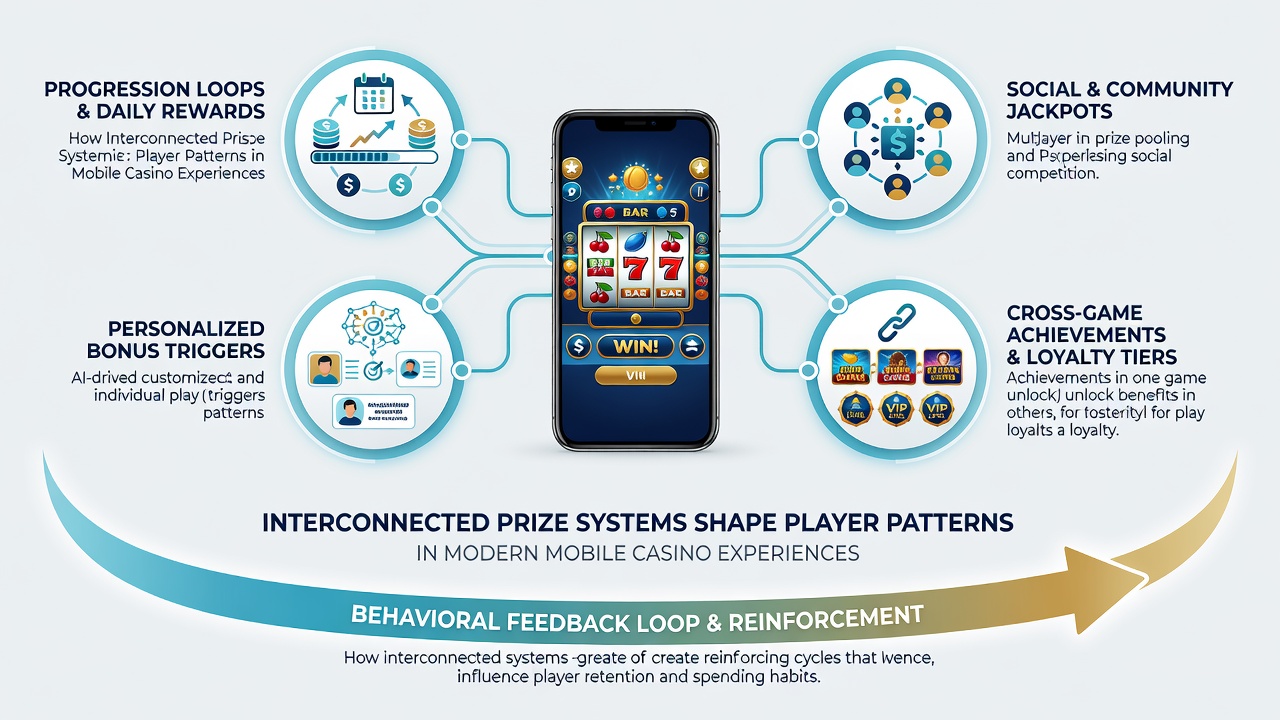
European operators report parallel findings through trade group summaries that aggregate data from multiple jurisdictions. The presence of shared prize indicators appears to reduce immediate exits after small wins, since players redirect attention to remaining eligible games within the network. This behavior manifests most clearly during evening peak hours when jackpot totals climb rapidly.
Influence on Deposit and Withdrawal Cycles
Payment pattern analysis shows that interconnected systems often align with steadier deposit rhythms. Users maintain balances across several games to stay eligible for accumulating prizes, and this spreads activity over multiple days instead of concentrated bursts. Data collected by the Australian Gambling Research Centre links these structures to extended account lifecycles measured in weeks rather than single sessions.
Withdrawal requests sometimes delay when users hold positions in active prize pools, though operators handle these decisions through standard compliance protocols. The net effect registers in platform metrics as steadier engagement curves during promotional windows tied to network events.
Conclusion
Interconnected prize systems continue to reshape mobile casino interactions through shared jackpot visibility and cross-title incentives. October 2026 datasets confirm consistent navigation patterns and retention metrics across multiple regulatory environments, with academic and industry sources documenting the same directional trends in user behavior. These networks operate within existing compliance frameworks while influencing how players distribute time and resources across available titles.